Flipside's Guide to the Mediterranean World:
All about the Cuisine:
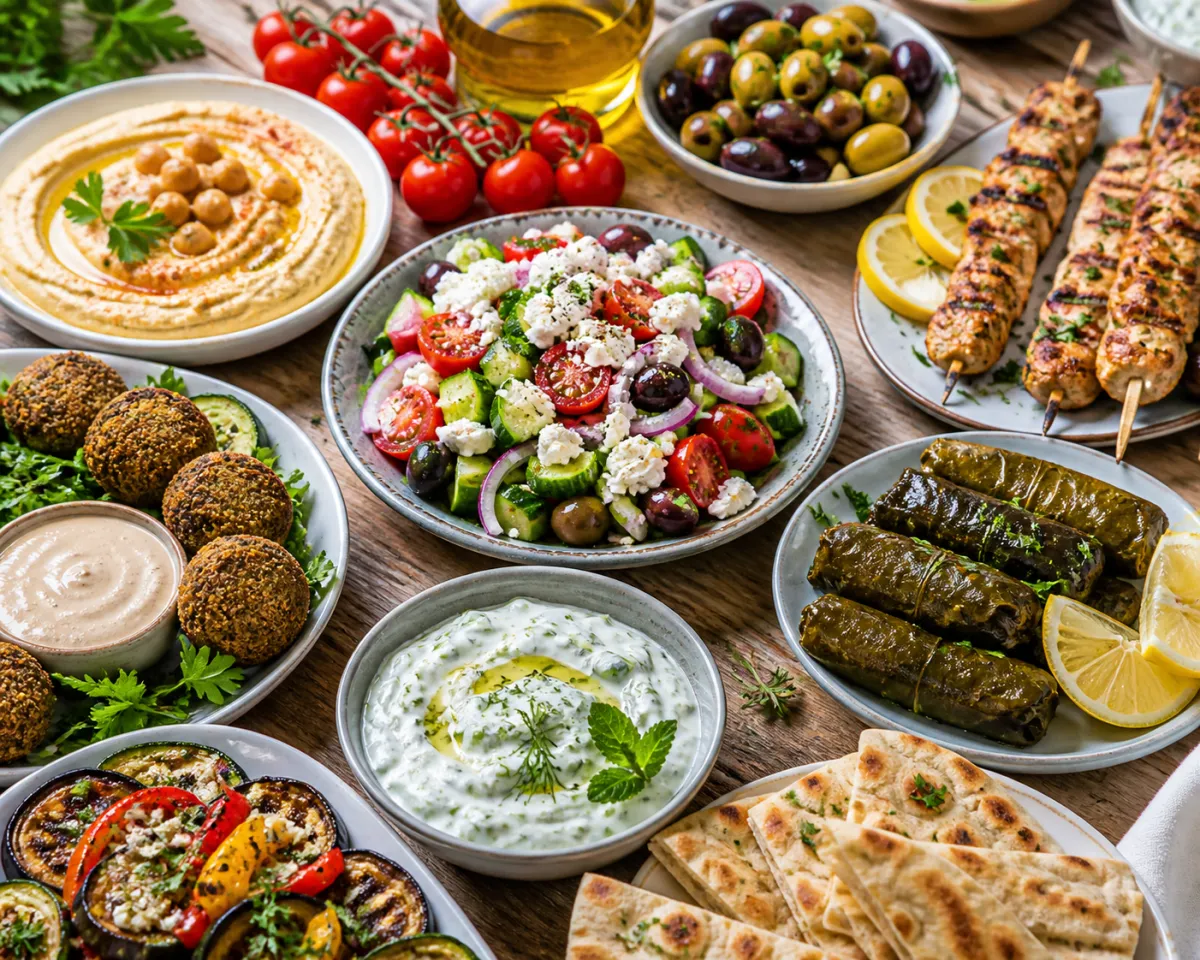
Greek cuisine is one of the oldest and most influential in the world, rooted in the Mediterranean triad of wheat, olive oil, and wine. It emphasizes fresh, seasonal, locally sourced ingredients, simplicity, balance, and communal eating. It blends ancient traditions with layers of Byzantine, Ottoman, Italian, and other influences while remaining distinctly Greek.
Origins and Ancient Foundations
Greek food traces back over 4,000–6,000 years. The Minoans on Crete (around 2700 BCE or earlier) cultivated grains, sheep, goats, almonds, mastic, pulses, wild grapes (for wine), and olives/olive oil, which became an economic and culinary cornerstone. Mycenaeans on the mainland added to this.
Ancient Greek cuisine (Classical period) was notably frugal, centered on the Mediterranean triad. Olive oil was used liberally for cooking, dressing, and even lighting or anointing. Bread came in many varieties (Greeks are credited with inventing it in sophisticated forms). Wine was central to symposia (social/philosophical gatherings), with early large-scale production on islands like Crete, Rhodes, and Lesvos. Meat was rare (more common for sacrifices or the wealthy); fish and seafood were preferred, alongside vegetables, legumes, fruits, nuts, honey, and herbs like oregano, thyme, and sage.
Key ancient elements persist today: lentil soup, fasolada (bean soup, modernized with New World tomatoes), tiganites (fritters), retsina (pine-resin wine), and pasteli (sesame-honey bars). The poet Archestratos wrote one of the earliest known cookbooks around 320 BCE. Spartans had their infamous melas zomos (black soup of pork, blood, etc.). Food was tied to philosophy, religion, medicine (humors theory), and the ideal of simplicity.
Greeks spread their culinary ideas through colonization and Alexander the Great’s empire (reaching India), influencing Rome and beyond. Romans adopted and amplified Greek foods with more flamboyance, introducing or refining phyllo-like pastry for pies.
Byzantine, Ottoman, and Later Influences
The Byzantine Empire (c. 395–1453 CE) fused ancient Greek/Roman elements with Eastern trade. Constantinople was a spice hub, introducing or popularizing rice, eggplant, cinnamon, nutmeg, basil, lemons (initially medicinal), caviar, and intricate sauces. Baking and pastry techniques advanced, influencing sweets. Fish remained key for coastal areas; bread was everyday.
Ottoman rule (15th–19th centuries) brought major fusion: yogurt, lamb, more spices (cinnamon, cumin, cloves), slow-cooking/stews, stuffed vegetables (dolmades), eggplant dishes, and phyllo pastries. Many iconic items like moussaka (layered casserole inspired by Middle Eastern dishes but Greek-ized), baklava, gyros, and yogurt-based sauces trace or evolved here. Dishes often kept Turkish-derived names. Venetian influence (Ionian Islands, etc.) added cured meats and Italian touches.1036
In the 19th–20th centuries, New World crops (tomatoes, potatoes, beans, squash) were fully integrated. French-trained chefs like Nikolaos Tselementes refined classics in the early 20th century (e.g., modern moussaka with béchamel, pastitsio). Post-independence and diaspora added global exposure while preserving core identity. The Mediterranean Diet, with strong Greek roots, gained UNESCO recognition.
Core Ingredients and Philosophy
Olive oil: Ubiquitous, used for frying, drizzling, baking; Greece produces much high-quality extra virgin.
Fresh produce: Tomatoes, eggplant, zucchini, peppers, onions, garlic, leafy greens (horta), wild herbs (oregano, mint, dill, thyme, fennel).
Grains/Legumes: Wheat (bread, phyllo, pasta like hilopites), barley, lentils, chickpeas, giant beans (gigantes).
Dairy: Feta and dozens of cheeses (kasseri, graviera, myzithra, etc.), strained yogurt.
Proteins: Fish/seafood (coastal/islands), lamb/goat (mainland/mountains), pork, chicken; less beef traditionally. Moderation is key.
Flavorings: Lemon, honey, nuts, phyllo, mastic (Chios), wine/vinegar. Sweet spices (cinnamon, allspice) in savory dishes, especially north.
Mediterranean Diet emphasis: Plant-forward, healthy fats, seasonality, social meals.
Cooking prioritizes freshness and minimal processing. Common methods: grilling (char and smokiness), baking/roasting (clay pots/ovens for depth), frying in olive oil, braising/stewing (ladera—oil-based vegetable stews), sautéing base of onion/garlic/tomato/herbs, stuffing, phyllo layering, and spit-roasting.
Popular Dishes and How They Are Cooked
Greek meals often start with meze (shared small plates), salads, and bread, followed by mains. Tavernas emphasize home-style cooking.
Appetizers/Meze:
Tzatziki: Strained yogurt, grated cucumber, garlic, olive oil, dill/vinegar/lemon. Mixed cold; refreshing dip.
Spanakopita: Spinach, feta, herbs in phyllo layers brushed with oil/butter; baked until golden and flaky.
Saganaki: Firm cheese (kefalograviera, etc.) floured and pan-fried; sometimes flambéed. Crispy outside, melty inside.
Dolmades: Grape leaves stuffed with rice/herbs (or meat); simmered in broth/lemon sauce (avgolemono—egg-lemon).
Feta with olive oil/oregano, fried calamari, grilled octopus, tomato fritters (tomatokeftedes), gigantes plaki (baked giant beans in tomato sauce).
Salads:
Horiatiki (Greek village salad): Tomatoes, cucumber, onion, feta, olives, oregano, olive oil. No lettuce in traditional version; fresh and chunky.
Mains:
Souvlaki/Gyros: Marinated meat (pork, chicken, lamb) grilled on skewers (souvlaki) or vertical rotisserie (gyros); served in pita with tzatziki, tomatoes, onions, fries. Fast food with ancient grilling roots.
Moussaka: Layers of fried eggplant (sometimes potatoes), spiced ground meat (lamb/beef), tomato sauce; topped with béchamel (milk, flour, eggs, nutmeg); baked. Rich casserole with Ottoman/French influences.
Pastitsio: “Greek lasagna”—layers of pasta, meat sauce, béchamel; baked.
Roast lamb (e.g., Easter): Often spit-roasted or oven-baked with lemon, garlic, herbs, potatoes.
Stifado: Beef or rabbit stew with onions, tomatoes, wine, cinnamon/bay; slow-simmered.
Ladera dishes: Vegetables (green beans, okra, etc.) stewed in olive oil, tomato, herbs; hearty yet light.
Seafood: Grilled fish with lemon/olive oil, shrimp saganaki (tomato, feta, ouzo), or stews.
Keftedes: Herb-flecked meatballs (beef/lamb/pork), fried or baked.
Sides/Other:
Greek lemon potatoes: Roasted with lemon, garlic, oregano, olive oil.
Fava: Yellow split pea purée.
Avgolemono soup/sauce: Chicken/rice with egg-lemon.
Desserts:
Baklava: Nuts (walnuts, pistachios) in phyllo, soaked in honey/syrup; Ottoman roots.
Galaktoboureko: Custard in phyllo.
Loukoumades: Honeyed fritters.
Yogurt with honey/nuts; fresh fruit. Phyllo, nuts, honey, and syrups dominate.
Drinks: Greek coffee, ouzo (anise), wines (Assyrtiko, Xinomavro, retsina), and spirits.
Regional Variations
Greece’s geography creates diversity:
Crete: Wild greens, dakos (barley rusk with tomato/feta), lots of olive oil, staka (buttery cream), simple rustic dishes.
Islands: Seafood-heavy (grilled octopus, bourdeto spicy fish stew), lighter flavors, citrus.
North/Mainland: Heartier stews, meats, pies, influences from Balkans/Asia Minor.
Peloponnese: Roasted meats, rustic breads, honey.
Ionian: Italian touches (e.g., sofrito veal).
Modern Greek Cuisine and Culture
Today it balances tradition with innovation—chefs highlight foraged greens, local cheeses, and sustainability. Meals are social (parea), often long and shared. Tavernas and home cooking remain central. The diaspora has globalized it (gyros shops everywhere), while tourism showcases authenticity.
Greek food’s endurance comes from adaptability, health benefits (high in antioxidants, fiber, healthy fats; linked to longevity), and cultural pride. It’s not just sustenance—it’s history, hospitality (philoxenia), and joy on a plate. From ancient offerings to gods to modern tables, every dish tells a story of resilience, fusion, and the bounty of the Mediterranean.
To explore hands-on, try simple recipes like horiatiki or lemon potatoes at home, or visit Greece for the full experience. The flavors are timeless.
The Mediterranean Diet:
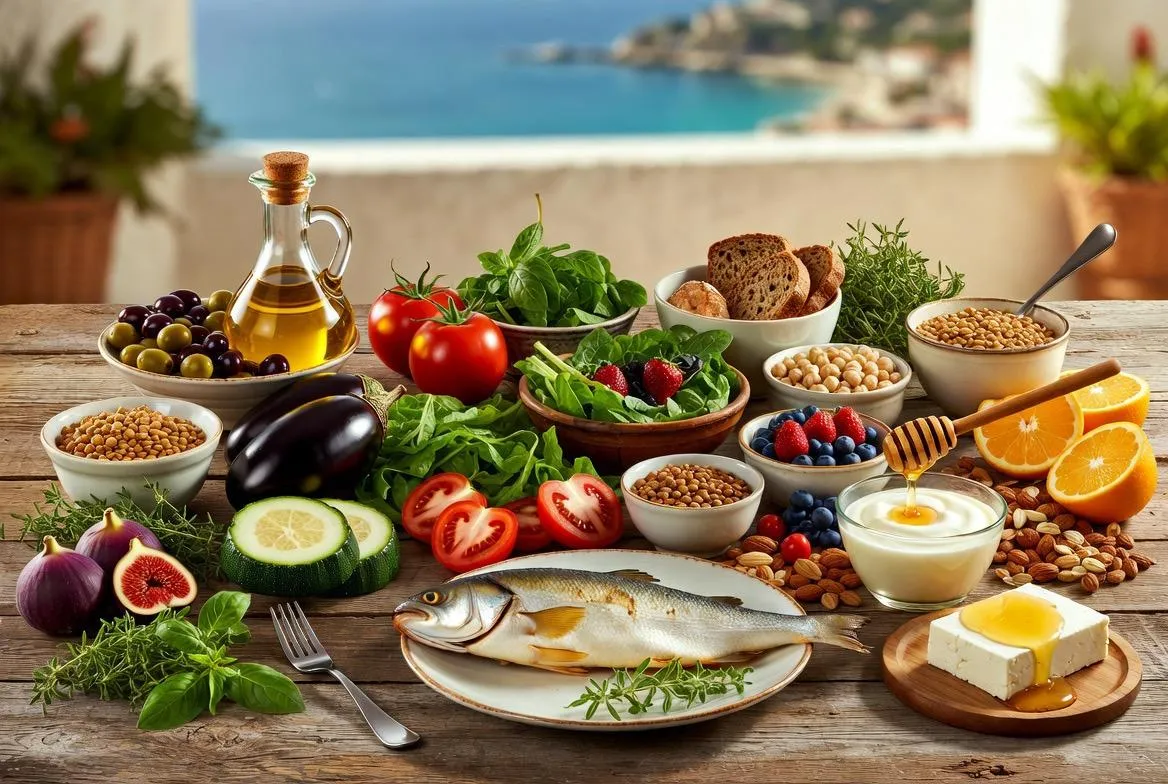
The Mediterranean Diet is widely regarded as one of the healthiest and most sustainable eating patterns in the world. It is not a strict “diet” with calorie counting or rigid rules but a flexible, enjoyable way of eating inspired by the traditional foods and lifestyles of countries bordering the Mediterranean Sea, such as Greece, Italy, Spain, southern France, and parts of North Africa and the Middle East.
It emphasizes whole, minimally processed foods, social meals, physical activity, and pleasure in eating. It has topped rankings like U.S. News & World Report’s Best Diets for years due to its evidence-based benefits for heart health, longevity, and overall wellness.
Origins and History
The modern concept emerged from mid-20th-century observations by researchers like Ancel Keys in the Seven Countries Study (1950s–1970s). People in places like Crete (Greece) and southern Italy had remarkably low rates of heart disease despite higher fat intake, thanks to their diet rich in olive oil, plants, and fish, combined with active lifestyles.
In 1993, Oldways Preservation Trust, in partnership with Harvard School of Public Health and the WHO, created the Mediterranean Diet Pyramid as a healthier alternative to the USDA pyramid. It highlights plant foods at the base, moderate fish/poultry/dairy, limited red meat/sweets, daily activity, and social eating.
The diet draws from ancient traditions (Greek, Roman, etc.) layered with regional ingredients and evolved with cultural exchanges. It gained global fame for its role in the broader Mediterranean lifestyle, including philoxenia (hospitality) and communal dining. UNESCO recognizes related elements as intangible cultural heritage.
How the Mediterranean Diet Works
It focuses on food patterns rather than single nutrients. Key mechanisms include:
High in anti-inflammatory compounds: Antioxidants, polyphenols, fiber from plants, and monounsaturated fats (especially from extra virgin olive oil) combat chronic inflammation.
Healthy fat profile: Mostly unsaturated fats (olive oil, nuts, fish) instead of saturated/trans fats; rich in omega-3s.
Blood sugar and lipid support: Low glycemic load from whole foods, high fiber, and balanced meals stabilize glucose and improve cholesterol (lower LDL, higher HDL).
Gut health: Diverse plants and fermented dairy nourish the microbiome.
Calorie control without counting: High volume, nutrient-dense, satiating foods (veggies, fiber, healthy fats) naturally support healthy weight.
Lifestyle integration: Meals shared with others, regular movement (walking, gardening), and moderate wine (if any) add synergistic benefits.
The Oldways Pyramid structure: Base = daily plant foods (fruits, veggies, whole grains, legumes, nuts, olive oil, herbs/spices) + activity/socializing. Mid = fish/seafood (2x/week), dairy/poultry/eggs (moderate). Top = red meat/sweets (sparingly). Drink water; optional moderate wine with meals.
Core Principles and Food List
Eat abundantly (daily):
Vegetables (leafy greens, tomatoes, eggplant, zucchini, broccoli, etc.)
Fruits (berries, citrus, apples, grapes, etc.)
Whole grains (bread, pasta, rice, farro, barley, quinoa, bulgur)
Legumes (beans, lentils, chickpeas)
Nuts and seeds (walnuts, almonds, pistachios)
Extra virgin olive oil (primary fat)
Herbs and spices (oregano, basil, garlic, etc.)
Eat moderately (weekly):
Fish and seafood (salmon, sardines, tuna, shrimp, mussels — aim for 2–3 servings)
Poultry and eggs
Dairy (Greek yogurt, feta, other cheeses — preferably low to moderate fat, fermented)
Limit:
Red meat and processed meats
Sweets and added sugars
Highly processed foods, sugary drinks, refined grains
Other: Water as main drink; moderate red wine (optional, 1 glass/day for women, up to 2 for men, with meals—if you don’t drink, don’t start).
How to Start the Mediterranean Diet
Start gradually for sustainability:
Stock your pantry: Extra virgin olive oil, whole grains, legumes (canned/dry), nuts, herbs/spices, canned tomatoes.
Swap basics: Use olive oil instead of butter; choose whole-grain bread/pasta; add veggies to every meal.
Plan meals around plants: Half your plate fruits/veggies.
Incorporate fish: Aim for twice weekly.
Eat mindfully: Share meals, eat slowly, enjoy flavors.
Move more: Walk daily, stay active.
Track gently: Use a food diary or app initially; focus on additions over restrictions.
Consult a doctor or dietitian, especially with conditions like kidney disease (for protein/potassium management).
Sample Dishes and Recipes You Can Make
Breakfast:
Greek yogurt with berries, walnuts, and a drizzle of honey/olive oil.
Savory breakfast bowl: Eggs or hummus, sautéed veggies, whole-grain toast.
Oatmeal with figs, almonds, and cinnamon.
Lunch:
Horiatiki (Greek village salad): Tomatoes, cucumber, onion, feta, olives, oregano, olive oil.
Farro or chickpea salad with greens, veggies, feta, olive oil-lemon dressing.
Whole-grain wrap or pita with veggies, hummus, grilled chicken or fish.
Dinner:
Grilled lemon-garlic salmon or shrimp with roasted broccoli/veggies and quinoa.
Baked eggplant (or moussaka-style without heavy béchamel), brown rice.
Vegetable stir-fry or stew (ladera) with olive oil, herbs, beans or poultry.
Grilled fish or chicken kabobs with salad and whole grains.
Pasta with tomato sauce, veggies, olive oil, and seafood or beans.
Snacks/Desserts:
Handful of nuts, fruit, carrot sticks with hummus.
Fresh fruit, yogurt with honey.
Occasional baklava or loukoumades in small portions.
7-Day Starter Idea (adapt portions to needs):
Breakfasts: Rotate yogurt parfaits, veggie omelets, whole-grain toast with avocado/tomato.
Lunches: Salads, grain bowls, soups (minestrone, lentil).
Dinners: Fish 2–3x, vegetarian 2–3x, poultry 1–2x.
Hydrate and add sides of greens/fruit.
Experiment with recipes from sites like The Mediterranean Dish for authentic flavors.
Health Benefits and Results
Strong evidence from observational studies, meta-analyses, and trials like PREDIMED (thousands of participants) shows:
Heart health: ~30% reduction in cardiovascular events (heart attack, stroke); better cholesterol, blood pressure, reduced atherosclerosis.
Longevity: Up to 23% lower all-cause mortality risk over decades; benefits for cancer and cardiovascular death.3233
Diabetes and metabolic health: Better blood sugar control, reduced risk of type 2 diabetes and metabolic syndrome; improvements in insulin resistance.
Brain health: Slower cognitive decline, lower risk of Alzheimer’s, Parkinson’s, depression, anxiety.
Other: Reduced inflammation, better gut health, lower cancer risk (colorectal, breast), weight management (sustainable loss or maintenance), improved physical function in older adults.
It often outperforms or matches low-fat diets in trials and supports healthy aging. Benefits accrue over time through cumulative effects of nutrients and lifestyle.
Potential results (individual variation; combine with exercise):
Weight loss of 5–10+ lbs over months (if in surplus before).
Improved energy, mood, digestion.
Measurable drops in markers like LDL, triglycerides, HbA1c, CRP (inflammation).
Long-term: Lower chronic disease risk, potentially adding healthy years.
Comparisons and Practical Tips
It often scores higher for sustainability, enjoyment, and broad health outcomes than restrictive diets (e.g., keto for long-term adherence, low-fat for heart specifics). It’s affordable long-term (can save money vs. Western diets) and adaptable (vegan-leaning or including preferred proteins).
Challenges and tips: Higher initial produce/seafood cost—shop seasonal, frozen, bulk. Time for cooking—batch prep, simple recipes. Social eating helps adherence. For variety, include global twists while keeping core principles.
The Mediterranean Diet shines because it is holistic, delicious, and evidence-backed. It nourishes body and soul through fresh flavors, shared meals, and balance. Start small, be consistent, and enjoy the journey—many report it becomes a lifelong pleasure rather than a chore. For personalized advice or medical conditions, consult professionals. The bounty of the Mediterranean awaits on your plate!