
CALL TODAY: 949-933-3131
Voted BEST Full Day Spa in Huntington Beach!
Welcome TO:
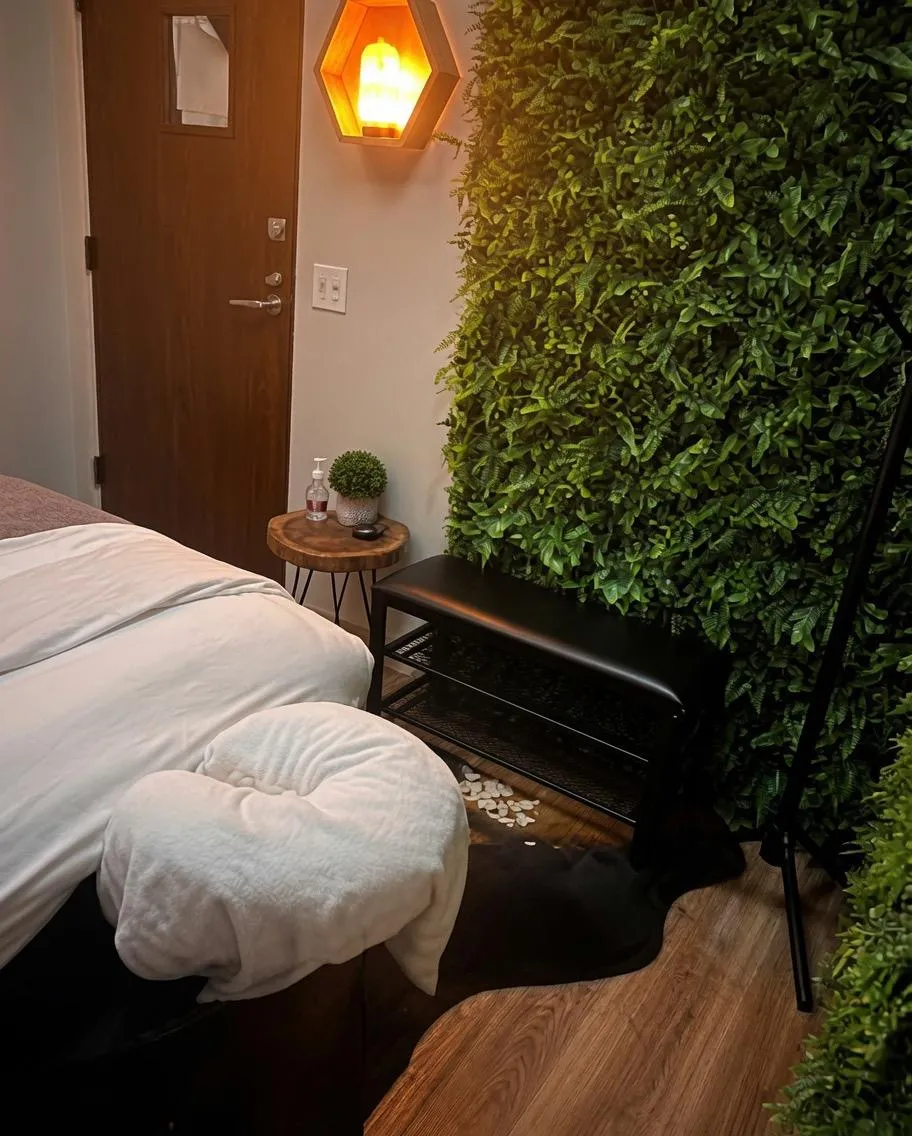
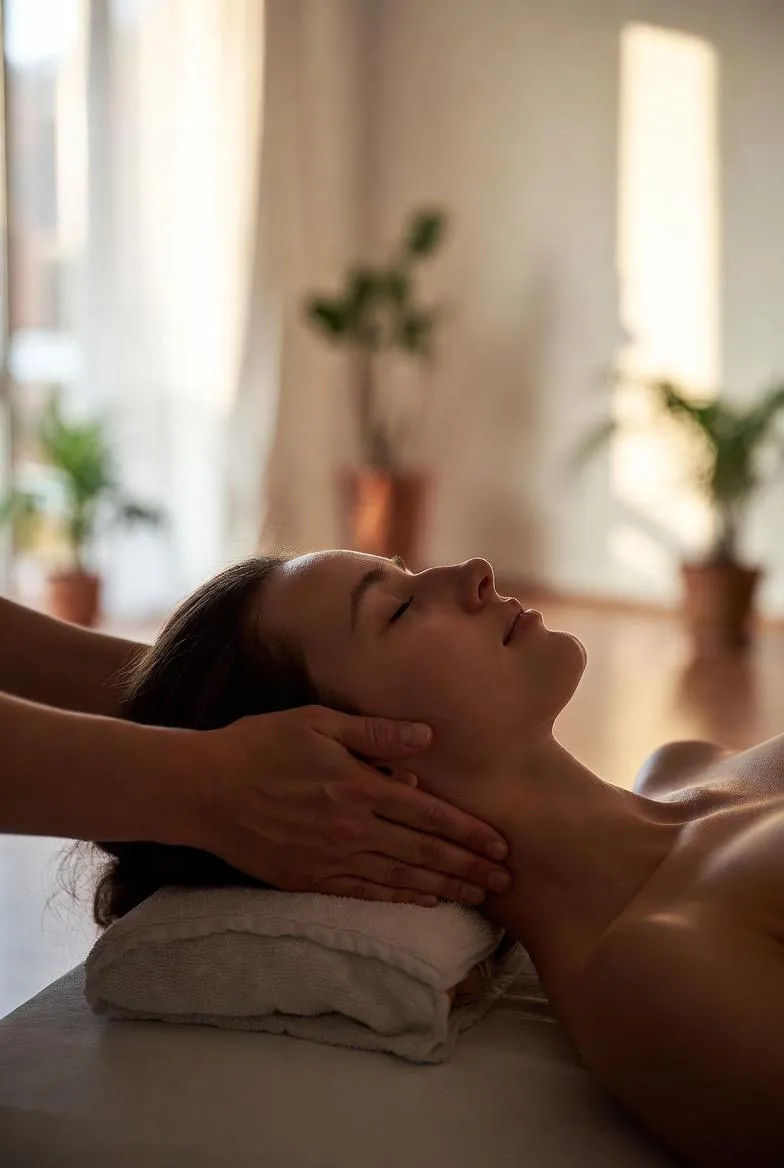
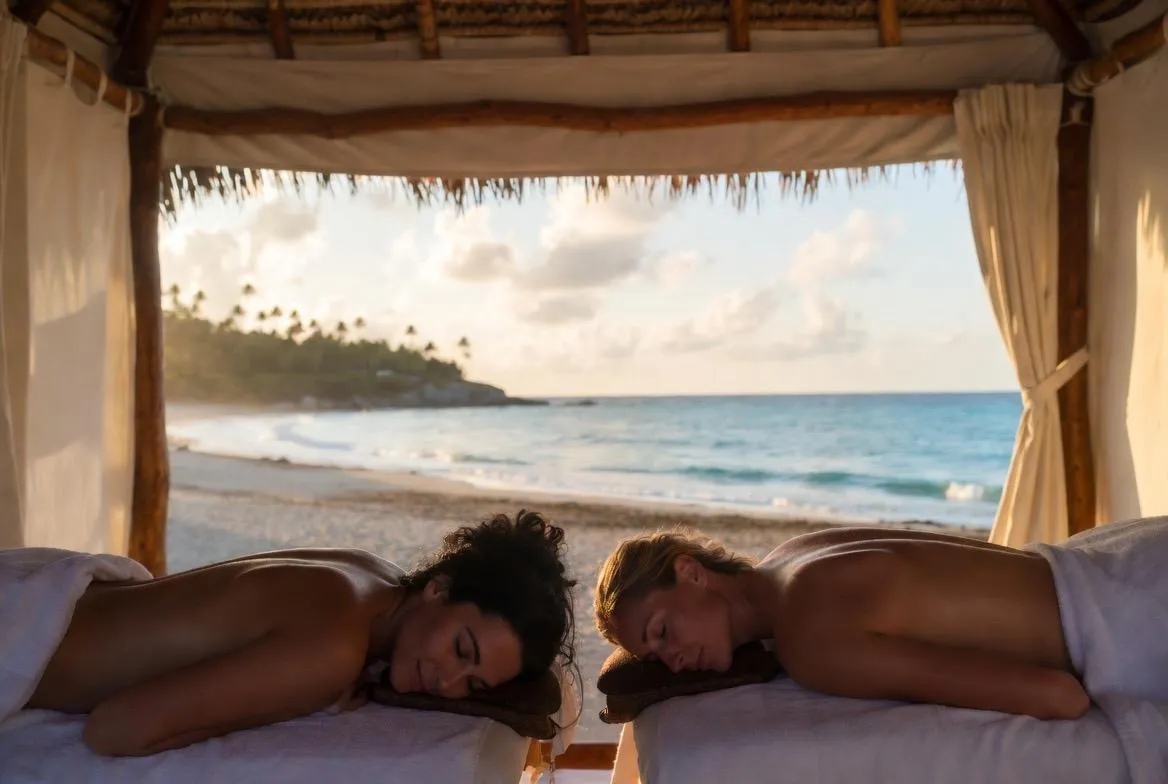
Everest Massage in Huntington Beach offers a haven of relaxation and rejuvenation, providing a comprehensive range of spa services. Our warm and inviting ambiance, reminiscent of a mountain getaway, ensures that you feel instantly at ease upon arrival. Our skilled team caters to your every need with personalized attention.
Ellie is proud of the grounding space Everest Massage provides for athletes, weekend warriors and all those who - like her - derive their best life from their physical life. She is dedicated to preserving and restoring their physical wellbeing, and pain-free performance for decades to come.
Ellie has always been fascinated by the intersections of biology, physiology and physical recovery. She started her education studying biology and playing softball at Appalachian State in North Carolina. She later found her calling in bio-forward functional massage after attending the North Carolina Massage School. Strong hands from years of softball served her well, and in 2017 she received her certificate in Clinical Neuromuscular & Structural Bodywork.
Her specializations now include sports massage and rehabilitation, neuromuscular rehabilitation, craniosacral therapy, and medical-massage.
A lifelong athlete, Ellie still enjoys team sports, running, dodgeball and kickball in her free time. The peace, connection and rest that we all crave, Ellie regularly finds while camping, fishing, hiking, and exploring state parks.
Everest Massage reflects Ellie’s belief that nature is where we all belong - and the knowledge that massage therapy plays a vital role in keeping your body naturally performing at its best.


Testimonials
Phuong N.


I booked a deep tissue massage with Andrew at Everest Massage the night before due to recurring tension in my neck, shoulders, hips, and lower back. Scheduling was very easy through their website, and I appreciated that payment was handled at the time of booking, which made the process smooth and convenient.
Andrew did an excellent job applying deep pressure to the specific areas I mentioned. He really focused on my neck, shoulders, hips, and lower back, and the pressure felt intentional and effective. He also validated the areas of concern I brought up, which reminded me that I need to be more attentive to those tension spots moving forward.
Sandra M.
Just had the most amazing massage with Andrew. Due to some health issues, I am very picky where I go for massages. After reading the great reviews for this place, I decided to give it a try. I have been going for massages for literally decades (yes I am old!!) and have experienced "the good, the bad and the ugly"! Believe me when I tell you, the massage I got from Andrew had to be one of my top
five! He listened to me and focused on my areas of concern, and I left feeling relaxed and rejuvenated. Andrew has a true gift, and his attention to detail tells you he really loves what he does.
Abigail V.
This is my 3rd time here and truly reccommend Ellie to provide you with healing and relief to your body.
Ambiance is awesome, she always makes sure to get you hydrated with Fiji water before and after your massage as well as some snacks and mints readily available.
I do work 3 12 hour shifts a week in the hospital and am a mama to a 21 month old boy so my body's pretty beat up. Ellie's my definite go to in the Fountain Valley area.
About Everest Massage
Everest Massage is located in
Flipside Point in Huntington Beach California.
HISTORY
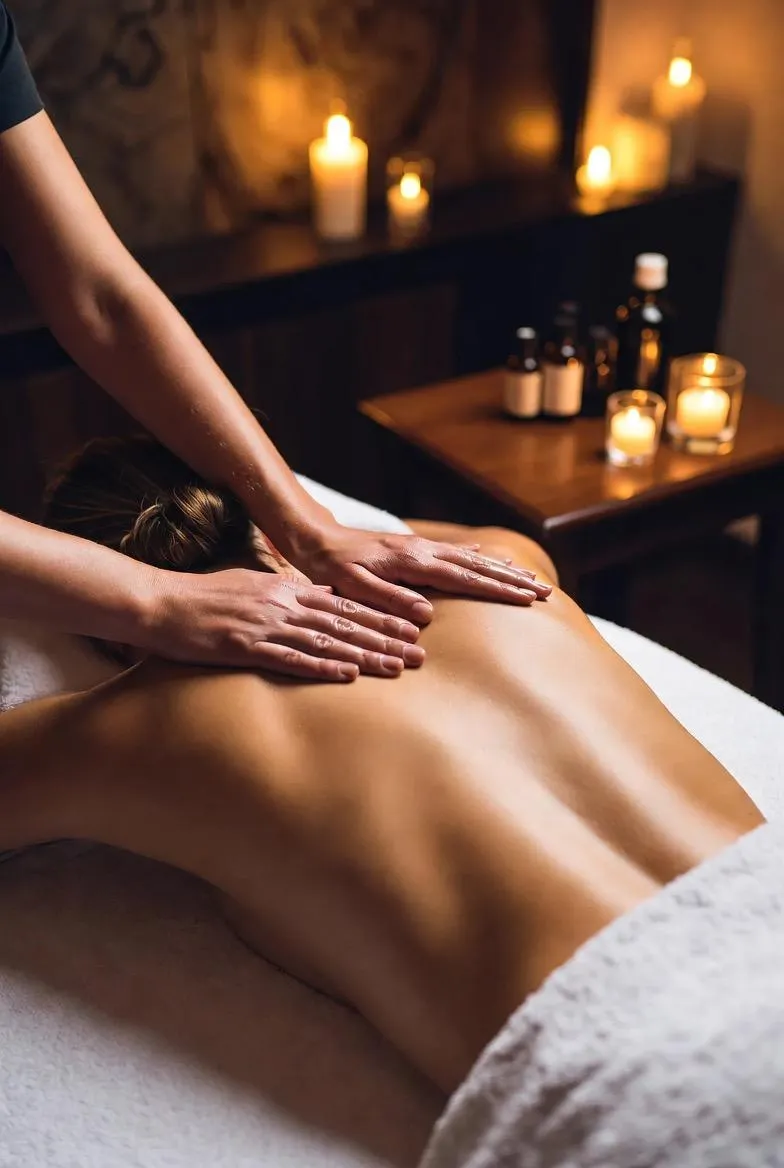
Massage is a therapeutic practice involving the manipulation of the body's soft tissues through techniques such as rubbing, kneading, pressing, and stretching. It is typically performed using the hands, fingers, elbows, forearms, knees, feet, or specialized devices, with the primary aim of reducing stress, alleviating pain, and promoting physical well-being. Practitioners of massage are commonly known as massage therapists, although historical terms such as masseurs and masseuses have also been used in some regions. Massage treatments are generally conducted in professional settings, where clients may lie on a massage table, sit in a massage chair, or recline on a floor mat. The field encompasses a wide range of modalities, including Swedish massage, deep tissue massage, sports massage, Thai massage, trigger point therapy, medical massage, structural integration, and manual lymphatic drainage. While massage therapy is widely utilized for relaxation and symptom management, scientific evidence supporting its long-term clinical effectiveness remains limited, with research findings often characterized as low to moderate in quality and inconsistent across conditions.
Sports massage is a specialized form of massage therapy that is applied in athletic and physical activity settings to support performance, recovery, and injury prevention. It utilizes a variety of techniques designed to stimulate blood and lymphatic circulation, reduce muscle tension, and promote the recovery of soft tissues. Sports massage may be administered before, during, or after physical activity, depending on an individual's goals, physical condition, and training requirements. Common objectives include enhancing flexibility, reducing pain and muscle soreness, improving range of motion, and facilitating recovery following exercise or competition. Although sports massage is widely used by athletes and active individuals, scientific research regarding its effectiveness has produced mixed results, with evidence varying across different outcomes and populations.
Swedish massage is one of the most widely recognized and commonly practiced forms of massage therapy. Characterized by a combination of techniques ranging from gentle to more vigorous pressure, it is designed to promote relaxation, improve circulation, and relieve muscle tension. The method incorporates five primary massage strokes: effleurage (long, gliding movements), petrissage (kneading), tapotement (rhythmic tapping or percussion), friction (deep circular or cross-fiber movements), and vibration or shaking. Although the development of Swedish massage is frequently attributed to Swedish physiologist Per Henrik Ling, historians generally credit the Dutch practitioner Johann Georg Mezger with formalizing the technique and introducing the French terminology used to describe its core strokes. The term “Swedish massage” is primarily used in English- and Dutch-speaking countries, as well as in Hungary and Israel, while the modality is commonly known elsewhere as “classic massage.” Clinical research suggests that Swedish massage may help reduce chronic pain, fatigue, and joint stiffness, and may improve physical function in individuals with conditions such as knee osteoarthritis.
The history of massage spans thousands of years and can be traced to numerous ancient civilizations, including those of China, India, Egypt, Greece, Rome, Mesopotamia, Japan, and Southeast Asia. Archaeological evidence suggests that massage practices were in use as early as 2330 BCE, as depicted in reliefs found in the Tomb of Akmanthor in Saqqara, Egypt, showing the manipulation of hands and feet. References to massage also appear in Mesopotamian records from the Middle Assyrian period, while ancient Chinese medical texts such as the Huangdi Neijing (The Yellow Emperor’s Inner Canon), compiled during the Spring and Autumn period, describe massage techniques and their therapeutic applications in detail. In ancient Greece, massage was mentioned in literary works such as Homer’s Iliad and Odyssey and was later endorsed by Hippocrates, who emphasized the importance of therapeutic rubbing in medical practice. Ancient Indian medical traditions, including those documented in the Charaka Samhita, likewise incorporated massage as an important healing modality. During the Roman era, the physician Galen wrote about practitioners specializing in therapeutic rubbing and physical treatment. In China, massage became sufficiently established that a dedicated department of massage therapy was created within the Office of Imperial Physicians in 581 CE. During the medieval period, the Persian physician Avicenna (Ibn Sina) further advanced medical understanding by incorporating massage into his influential work, The Canon of Medicine, which became a foundational text in both Eastern and Western medicine. Massage traditions also flourished throughout Southeast Asia, where distinct practices such as Thailand’s nuad thai and the Philippines’ hilot developed over centuries and became integral parts of local healing cultures. In recognition of its cultural significance, nuad thai was inscribed on UNESCO’s Representative List of the Intangible Cultural Heritage of Humanity in 2019.
Red light therapy (RLT) is a non-invasive treatment that utilizes low-level wavelengths of red and near-infrared light to penetrate the skin and stimulate cellular activity. The therapy is believed to enhance mitochondrial function, thereby increasing cellular energy production and supporting tissue repair and regeneration. Red light therapy is commonly used in dermatology and wellness settings for purposes such as improving skin appearance, reducing visible signs of aging, promoting wound healing, and alleviating pain and inflammation. It has also gained popularity as a complementary treatment for muscle recovery and certain chronic conditions. While research has demonstrated potential benefits in several therapeutic applications, the effectiveness of red light therapy may vary depending on the condition being treated, treatment parameters, and individual patient factors.
Cupping therapy is an alternative medicine practice that involves placing cups on the skin to create localized suction. The technique may be performed using heated cups, mechanical pumps, or other methods designed to draw the skin upward into the cup. Cupping has been practiced for centuries in various cultures, particularly throughout Asia, the Middle East, Eastern Europe, and parts of Latin America, and is often incorporated into traditional medical systems. Practitioners use cupping to address a wide range of conditions, including musculoskeletal pain, digestive complaints, respiratory issues, skin disorders, and general wellness concerns. Historical records indicate that forms of cupping were utilized in ancient Greece, China, and the Islamic world, where the practice was further developed and disseminated. In China, cupping became integrated into Traditional Chinese Medicine and has been used in hospitals since the mid-twentieth century. Despite its long history and continued popularity, scientific evidence supporting the effectiveness of cupping therapy remains limited and inconclusive. While the treatment is generally considered safe when performed properly, common side effects include temporary bruising, skin discoloration, and mild discomfort, with more serious complications occurring only rarely.
Modern suction devices are sometimes used instead of the traditional cups.
A cup massage is performed with medical cups, which have vacuum-sucking, thermochemical, and reflectory impact on the skin, hypoderm, muscles and nerves.
A cup massage lasts 10 to 20 minutes and is accompanied with the feeling of warmth. It can be slightly uncomfortable to the patient.
A cup massage can be performed on almost all areas of human body. Most often cup massage is used to massage back, chest, limbs, and even face.
While details vary between practitioners, societies, and cultures, the practice consists of drawing tissue into a cup placed on the targeted area by creating a partial vacuum – either by the heating and subsequent cooling of the air in the cup or via a mechanical pump. The cup is usually left in place for somewhere between five and fifteen minutes.
Cupping therapy types can be classified using four distinct methods of categorization. The first categorization system relates to "technical types" including dry, wet, massage, and flash cupping therapy. The second categorization relates to "the power of suction-related types" including light, medium, and strong cupping therapy. The third categorization relates to "the method of suction-related types" including fire, manual suction, and electrical suction cupping therapy. The fourth categorization relates to "materials inside cups" including herbal products, water, ozone, moxa, needle, and magnetic cupping therapy.
Further categories of cupping were developed later. The fifth relates to areas treated including facial, abdominal, female, male, and orthopedic cupping therapy. The sixth relates to "other cupping types" that include sports and aquatic cupping
Relaxation is a psychological and physiological state characterized by reduced tension, calmness, and a decreased level of mental and physical arousal. In psychology, relaxation is generally associated with the absence or reduction of stress-related emotions such as anxiety, fear, and anger. Various techniques, including meditation, controlled breathing exercises, progressive muscle relaxation, mindfulness practices, and autogenic training, are commonly used to promote relaxation and enhance overall well-being. Relaxation plays an important role in stress management by helping individuals regulate emotional responses and maintain physical health. During relaxation, the body's parasympathetic nervous system becomes more active, counteracting the effects of the stress-induced “fight-or-flight” response governed by the sympathetic nervous system. Regular relaxation practices have been associated with improved mood, reduced stress levels, enhanced coping abilities, and potential benefits for both mental and physical health.
Frequently Asked Questions
The asking hat is better than the not knowing hat!
Is there additional parking?
YES
What payment is accepted at Everest Massage?
We accept credit cards and Apple Pay as convenient and secure payment options. This provides customers with flexibility and ease of payment using widely used electronic methods for transactions.
it was started by his mom. Our goal is to share the food recipes from Peru.
Does the beauty bar accept walk ins or only by appointments?
Everest Massage operates on an appointment-only basis, emphasizing a structured scheduling system for its services rather than accommodating walk-in clients. This approach ensures efficient and personalized beauty treatments, allowing the establishment to manage its appointments effectively and provide dedicated attention to each customer.
The combination and experimentation with local produce and imported elements has made Peruvian cuisine unique
How often should eyelash extensions be filled or touched up?
The recommended frequency for eyelash extension fills or touch-ups is typically every 2 to 3 weeks. This time frame aligns with the natural lash growth cycle, ensuring that new extensions are applied as older ones naturally shed. Factors such as personal preference and the desired level of fullness play a role in determining the ideal interval. Early fills at 2 weeks are suitable for maintaining a consistently full appearance, while extended intervals of 3 weeks or beyond may be chosen for a more natural look. Communication with a lash technician is crucial to receiving personalized recommendations based on individual lash characteristics and lifestyle.
What type of massage should I choose?
What type of pain are you in? If it is from sports, rigorous workouts, or chronic pain go ahead and try a sports recovery or deep tissue massage.
Can massages be customized based on individuals and concerns?
They absolutely can! Make sure and talk to us when you book and we can figure it out together.
Inka Cola
Keep your heart with all vigilance, for from it flow the springs of life
LEARN ABOUT OTHER FAMOUS PLACES: Old Town San Diego, Old Towne Orange, Old Town San Clemente, Old Town Monrovia, Old Town Tamecula, Old Town Pasadena, Old Town Sacramento, Old Town Bern, Old Town Stockholm, Old Town Prague, Old Town Lijiang, Old Town Alexandria, Old Town Albuquerque, Old Town Cottonwood, Old Town Quedlinburg, Old Town Rothenburg ob der Tauber, Old Town Marienplatz Munich, Flipside Point, Alexanderplatz Old Town Berlin, Old Town Chicago, Old Town Kissimmee Florida, Phuket Old Town, Old Town Asakusa, Old Town Madrid Major Square, Kraków Old Town, Old Town London Piccadilly Circus,
~ ADVENTURER QUOTE:
“Courage is being scared to death and saddling up anyway!” – John Wayne
Visit Us At:
FLIPSIDE POINT
~ “I don’t know, I’m making this up as I go.” — Indiana Jones ~
19171 Magnolia, Huntington Beach, CA 92646
"Thanks For Being Incredible!"
Great ARTICLES: How The Great Pyramid in Egypt Worked, History of RIIP Brewery, All About GREEK Mediterannean Food, World Cup Information, Best Restaurants of Huntington Beach, History of Huntington Beach Pier, Huntington Dog Beach, Old World Huntington Beach, History of Detroit vs. New York Pizza, History of Riip Pizza, History of the New York Pizza, History of the Detroit Deep Dish,
This website is owned and operated by (c) 2026 - University of San Clemente Inc.