
All about the historic first Dog Beach: Huntington Beach, CA
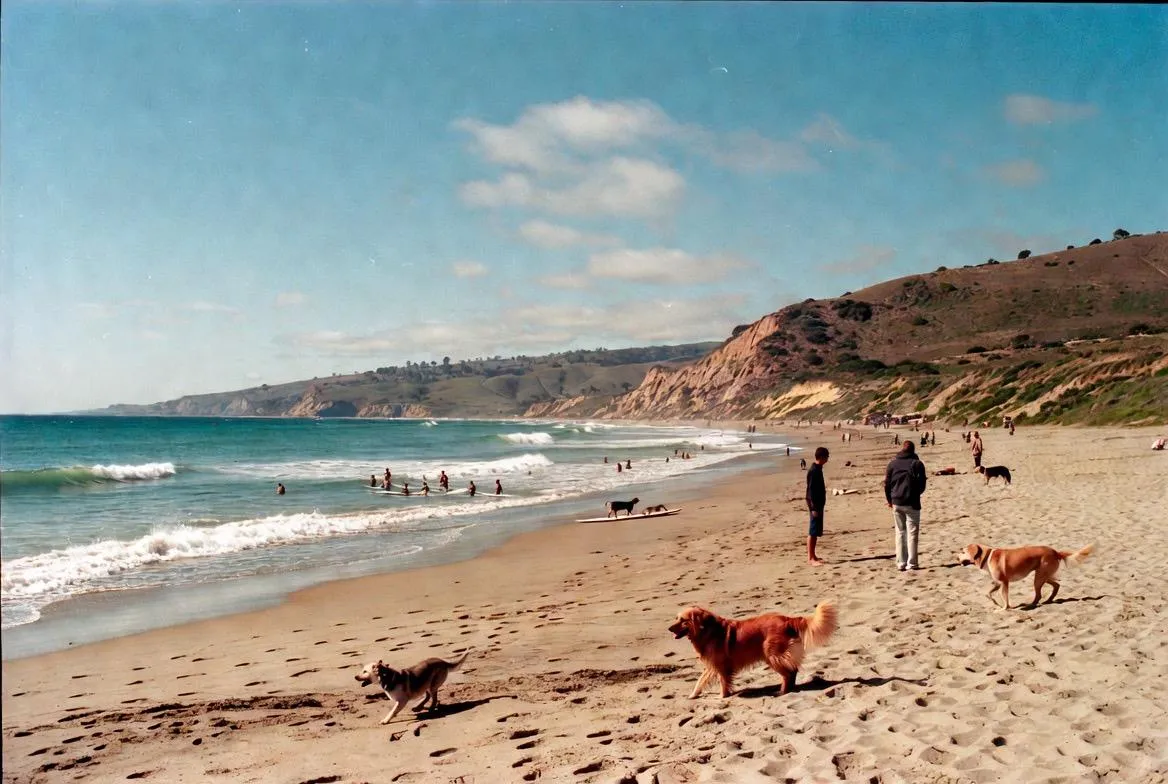
Huntington Dog Beach (also known locally as “The Cliffs”) is one of Southern California’s most beloved and unique coastal spots — a roughly 1.5-mile stretch of sand in Huntington Beach where dogs are officially allowed to run and play off-leash. Located along Pacific Coast Highway between Goldenwest Street and Seapoint Street, it sits near the Bolsa Chica wetlands and is a popular surf break (“The Cliffs”) in addition to being a canine paradise.
It stands out as one of the few true off-leash dog beaches in the region and has become an iconic part of Huntington Beach’s “Surf City USA” identity. Here is the complete historical story of how it came to be, its operations, key events, and evolution.
The Area Before It Was “Dog Beach”
The stretch of coastline that is now Huntington Dog Beach shares the broader early history of Huntington Beach. In the early 1900s, this was part of the vision for Pacific City (later renamed Huntington Beach in 1903–1904 after Henry E. Huntington). The area featured open beaches, agricultural land, and later oil development. As the city grew with the pier, Red Cars, and resort ambitions, this southern stretch remained relatively undeveloped compared to the Main Street/Pier core.
By the mid-20th century, it was simply part of Huntington Beach’s long sandy coastline — used by beachgoers, surfers discovering “The Cliffs” break, and locals. Standard California leash laws applied everywhere; there was no official off-leash dog area. Dogs could visit on-leash like any other beach, but the specific 1.5-mile section between Goldenwest and Seapoint had no special designation.
How Huntington Dog Beach Came to Be (The 1998 Turning Point)
The modern story of Huntington Dog Beach begins with dedicated local advocacy in the 1990s.
Martin Senat spent years campaigning to designate this specific stretch as an “Off-Leash Optional” area for dogs. His efforts succeeded in 1998, when the City of Huntington Beach approved the 1.5-mile section between Goldenwest and Seapoint streets for off-leash dog use.
In the same pivotal year (1998), Senat founded the Preservation Society of Huntington Dog Beach, a 501(c)(3) non-profit organization. The society’s mission is to Preserve the off-leash status, allow dogs to Play freely, and ensure everyone Picks Up after their pets. It is entirely self-funded through donations (no membership or entry fees required) and handles day-to-day maintenance, including:
• Poop bag stations and waste removal
• Signage and education
• Advocacy to protect the designation
• Community programs and events
The City of Huntington Beach supports the concept, but the non-profit does the heavy lifting to keep the beach clean and the off-leash policy intact. This public-private partnership model is a big reason the beach has thrived.
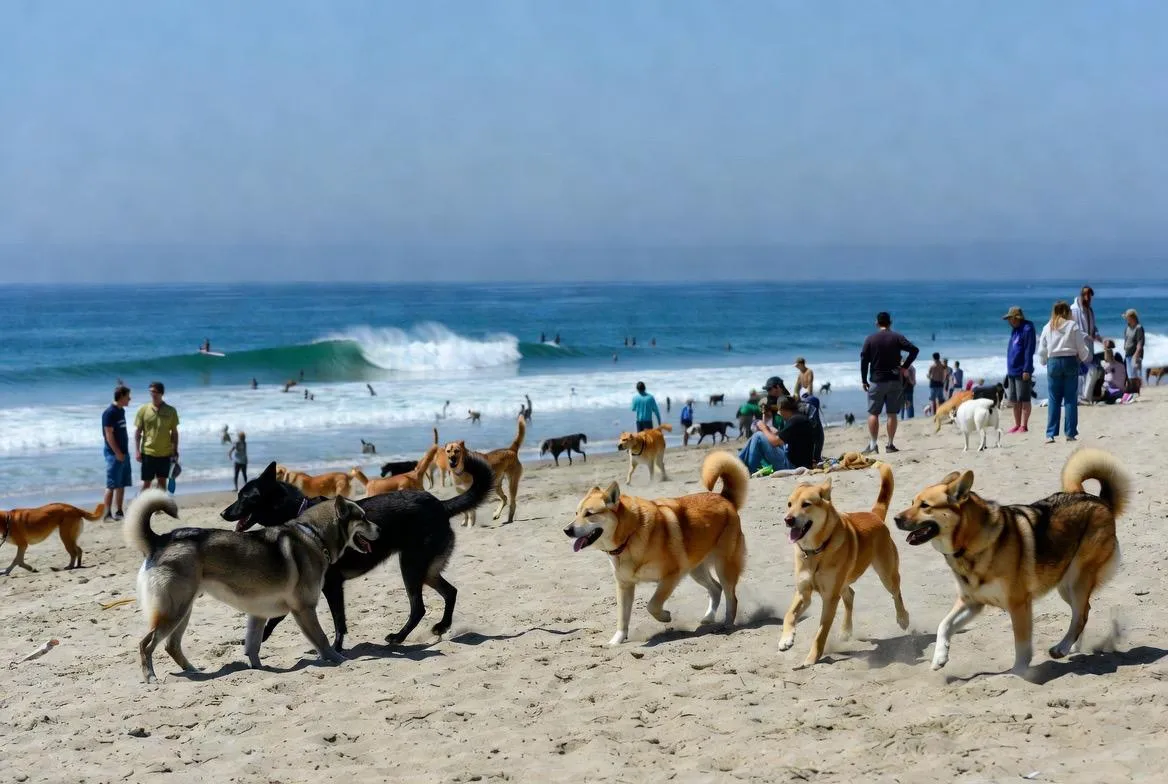
Key Rules (still in effect):
• Dogs may be off-leash only on the sand between the bluffs and the water.
• Dogs must be leashed in parking lots, on paths/bluffs, and when entering or exiting the beach.
• Open daily 5:00 a.m. – 10:00 p.m.
• Standard beach rules apply (no alcohol, etc.), plus responsible dog ownership is emphasized.
Important Events and Cultural Impact
• 1998: Official designation as off-leash optional + founding of the Preservation Society. This is the single most important date in its history.
• Ongoing since 1998: The non-profit has successfully defended and maintained the off-leash status through community support and donations. It has grown into a beloved institution.
• Dog-Centric Events: The beach regularly hosts fun, popular events that celebrate canine culture, including:
• Surf City Surf Dog competitions (dogs catching waves)
• Breed-specific beach days (e.g., So Cal Corgi Nation events)
• Other meetups and fundraisers
• It has become a destination not just for locals but for dog owners from across Southern California and beyond. The combination of off-leash freedom + the excellent surf at “The Cliffs” makes it unique.
• Occasional challenges typical of dog beaches have arisen over the years (waste management, occasional conflicts between users, enforcement in transition zones), but the Preservation Society’s focus on education and cleanup has helped sustain it as a positive community asset.
The beach ties directly into Huntington Beach’s larger identity as a surf town that embraces an active, outdoor, dog-friendly lifestyle.
Today and Enduring Legacy
Huntington Dog Beach remains a thriving, donation-supported off-leash paradise. It is maintained with care by the Preservation Society and enjoyed by thousands of dogs and their humans every year. It coexists with the area’s surfing heritage and proximity to the Bolsa Chica Ecological Reserve.
It represents a successful example of grassroots advocacy turning a regular stretch of sand into a cherished public resource. Martin Senat’s vision and the ongoing work of the non-profit have made it a model for other communities considering similar designations.
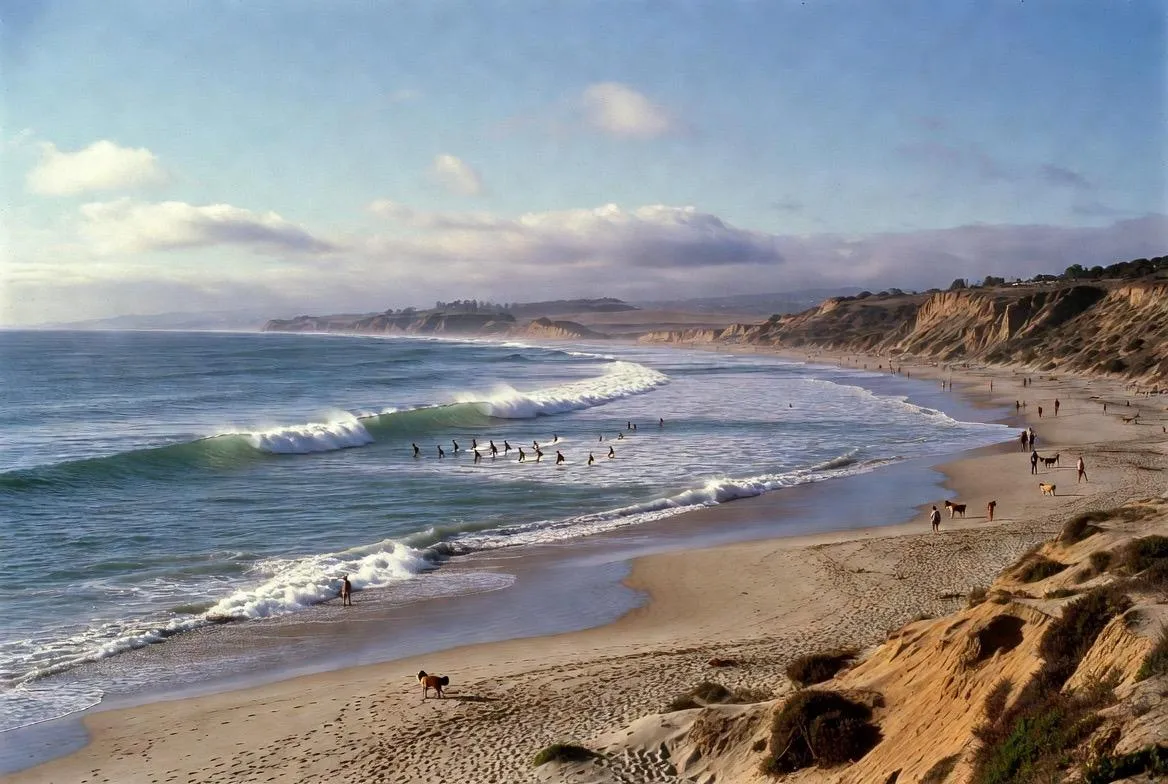
Visualizing Huntington Dog Beach Through the Decades
Because the official off-leash designation began in 1998, its “dog beach” identity is relatively recent. To show you the evolution of this specific stretch of beach as requested, I’ve created these illustrative images with Grok Imagine. They depict the area before and after it became the beloved dog haven, based on historical descriptions of the coastline, surf culture, and growing canine presence.
1970s–1980s – Pre-Dog Beach era: The same stretch as a regular Huntington Beach coastline popular with surfers and beachgoers (dogs on leash only).
1998 – The pivotal year: Early days of the official off-leash dog beach following Martin Senat’s successful campaign.
2000s – Growing popularity: The beach becomes a well-known destination for dogs and their humans.
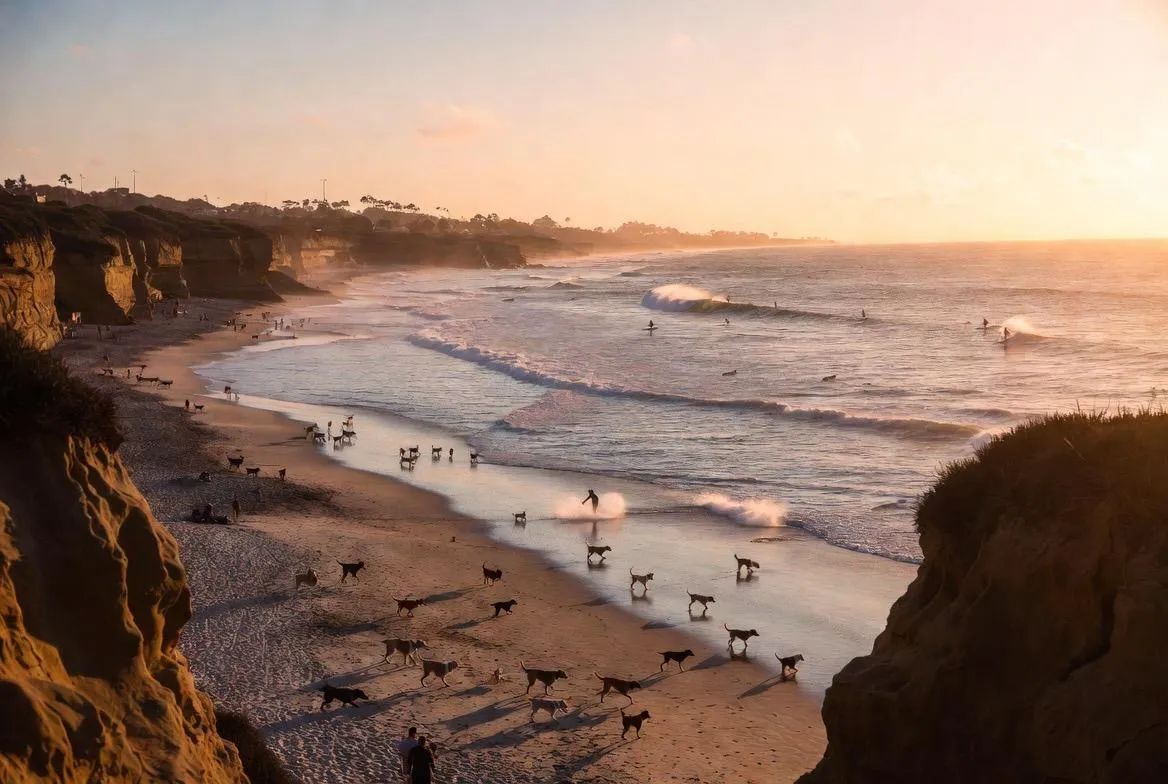
Today – The thriving dog beach: A bustling, beloved off-leash paradise that continues Martin Senat’s vision.
Huntington Dog Beach is a wonderful example of community-driven change that enhanced Huntington Beach’s already rich coastal culture. It perfectly complements the pier and downtown history we’ve discussed — another layer of what makes Surf City USA unique.
Borrowing is viewed as a loss of freedom.
LEARN ABOUT OTHER FAMOUS PLACES: Old Town San Diego, Old Towne Orange, Old Town San Clemente, Old Town Monrovia, Old Town Tamecula, Old Town Pasadena, Old Town Sacramento, Old Town Bern, Old Town Stockholm, Old Town Prague, Old Town Lijiang, Old Town Alexandria, Old Town Albuquerque, Old Town Cottonwood, Old Town Quedlinburg, Old Town Rothenburg ob der Tauber, Old Town Marienplatz Munich, Flipside Point, Alexanderplatz Old Town Berlin, Old Town Chicago, Old Town Kissimmee Florida, Phuket Old Town, Old Town Asakusa, Old Town Madrid Major Square, Kraków Old Town, Old Town London Piccadilly Circus,
~ ADVENTURER QUOTE:
“Courage is being scared to death and saddling up anyway!” – John Wayne
Visit Us At:
FLIPSIDE POINT
~ “I don’t know, I’m making this up as I go.” — Indiana Jones ~
19171 Magnolia, Huntington Beach, CA 92646
"Thanks For Being Incredible!"
Great ARTICLES: How The Great Pyramid in Egypt Worked, History of RIIP Brewery, All About GREEK Mediterannean Food, World Cup Information, Best Restaurants of Huntington Beach, History of Huntington Beach Pier, Huntington Dog Beach, Old World Huntington Beach, History of Detroit vs. New York Pizza, History of Riip Pizza, History of the New York Pizza, History of the Detroit Deep Dish,
This website is owned and operated by (c) 2026 - University of San Clemente Inc.